Presurgical Orthodontics Treatment
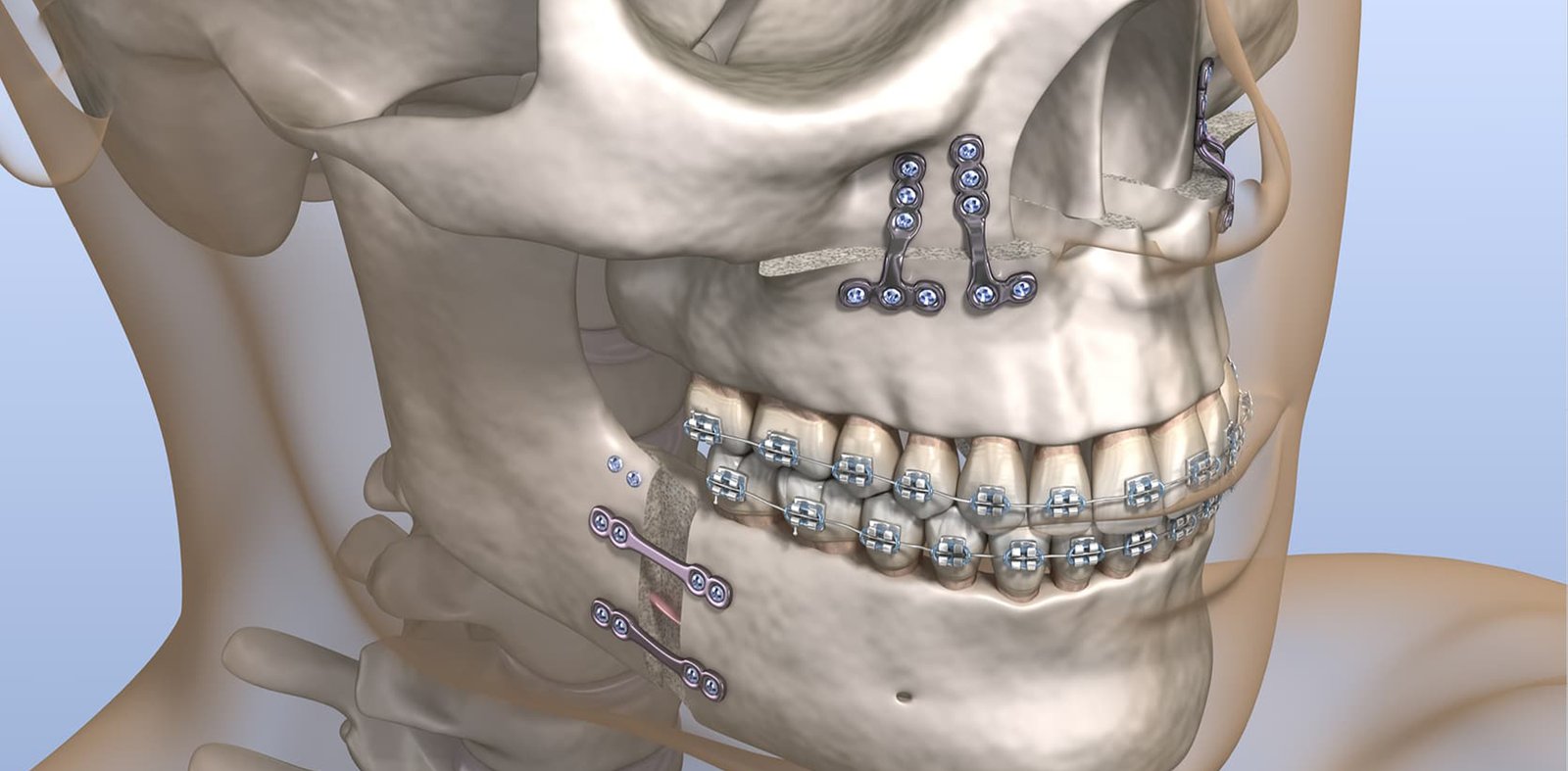
Presurgical orthodontics is a specialized orthodontic treatment performed before corrective jaw surgery (orthognathic surgery). It is recommended for patients who have severe jaw misalignment, skeletal bite problems, or facial imbalance that cannot be corrected with braces alone. This phase of treatment prepares the teeth and jaws to achieve the best possible surgical outcome and long-term stability.
In cases where there is a significant discrepancy between the upper and lower jaw — such as severe overbite, underbite, open bite, or facial asymmetry — orthodontic treatment alone may not be sufficient. Presurgical orthodontics aligns the teeth in their proper position so that when jaw surgery is performed, the final bite fits together correctly and functions properly.
Why Presurgical Orthodontics Is Necessary
When jaw bones are not properly aligned, teeth often compensate by tilting forward or backward to help with chewing. If surgery is performed without first correcting these dental compensations, the final result may not be ideal. Presurgical orthodontics focuses on decompensating and aligning the teeth to their correct positions before surgery.
This ensures:
-
Accurate jaw positioning during surgery
-
Improved facial balance and profile
-
Proper bite alignment after surgery
-
Long-term functional stability
-
Better chewing, speech, and breathing function
Although teeth may appear slightly more misaligned during this preparatory phase, it is a necessary step to achieve the best final results after surgery.
Conditions That May Require Presurgical Orthodontics
Presurgical orthodontic treatment is typically recommended for patients with severe skeletal discrepancies such as pronounced underbite, severe overbite, open bite, crossbite, facial asymmetry, or jaw growth abnormalities. It may also be advised in cases involving congenital jaw defects or developmental issues affecting facial structure.
Treatment Process
The process begins with a comprehensive orthodontic and surgical evaluation, including digital scans, X-rays, and bite analysis. A coordinated treatment plan is created between the orthodontist and maxillofacial surgeon.
Braces are placed to gradually align and position the teeth properly. This phase usually lasts between 12 to 18 months, depending on the complexity of the case. Once the teeth are correctly positioned, jaw surgery is performed to reposition the upper jaw, lower jaw, or both.
After surgery, a short phase of postsurgical orthodontics may be required to fine-tune the bite and ensure optimal results. Retainers are then provided to maintain long-term stability.
Benefits of Presurgical Orthodontics
Presurgical orthodontics plays a crucial role in achieving functional and aesthetic improvements. It enhances facial harmony, corrects severe bite issues, improves chewing efficiency, reduces jaw strain, and can even help with speech and breathing concerns. The combined approach of orthodontics and surgery provides transformative and permanent results for patients with complex jaw problems.
FAQ
We hope you find what you are looking for. Explore faq`s.
Yes, in most cases it is essential. It ensures that teeth are properly positioned so the jaws can be aligned accurately during surgery.
The presurgical orthodontic phase usually lasts 12–18 months, followed by surgery and a shorter finishing phase of orthodontic treatment. The total treatment time varies based on individual complexity.
During the decompensation phase, teeth may temporarily appear more misaligned. This is intentional and necessary to achieve the best final surgical outcome.
Jaw surgery is performed under general anesthesia, so there is no pain during the procedure. Post-surgical discomfort is managed with medications, and most patients recover gradually within a few weeks. Presurgical orthodontics is a carefully planned process designed to ensure safe surgery, proper bite correction, and long-lasting facial and dental harmony.